
Now Reading: The Rise of the ‘Coolcation’: Why Travelers Are Trading Scorching Beaches for Bracing Climates
-
01
The Rise of the ‘Coolcation’: Why Travelers Are Trading Scorching Beaches for Bracing Climates

The Rise of the ‘Coolcation’: Why Travelers Are Trading Scorching Beaches for Bracing Climates
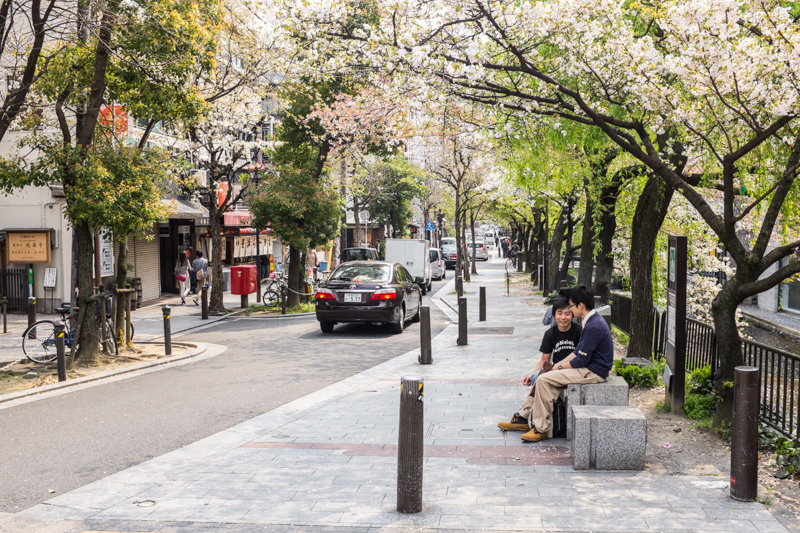
For decades, the standard blueprint for the ultimate summer vacation was universally agreed upon: fly toward the equator, find a crowded strip of sand, and bake under a high-UV sun. But as we move through 2026, a massive behavioral shift is rewriting the global travel map. Driven by shifting weather patterns and a collective desire to escape chaotic overtourism, a new movement has taken hold: the “Coolcation.”
Chasing the Chill: What is Driving the Shift?
A “coolcation” is exactly what it sounds like—a deliberate choice to spend traditional vacation periods in cooler, northern, or higher-altitude climates. Rather than fighting suffocating crowds in mid-summer Mediterranean hotspots, travelers are actively packing sweaters, hiking boots, and rain jackets. They are trading the relentless heat for the crisp, grounding air of alpine valleys, dramatic fjords, and mist-shrouded coastlines.
“Luxury in travel has fundamentally shifted. It is no longer defined by five-star excess in an overcrowded paradise; it is defined by open space, clean air, quiet nights, and room to breathe.”
This isn’t just about avoiding a sunburn; it is an extension of the broader slow travel movement. When the temperature drops to a comfortable range, you aren’t forced to hide in air-conditioned hotel rooms during the middle of the day. The entire landscape becomes accessible all day long, encouraging deep nature immersion, outdoor activity, and authentic local discovery.
The Hotspots Striking a Cool Balance
The geography of trending travel is rapidly moving north and into regional, off-the-beaten-path destinations. Several regions are seeing unprecedented interest as travelers look for fresh alternatives:
- The Nordic Escape (Norway & Finland): With their deep fjords, hidden lakeside saunas, and midnight sun, Scandinavia has seen a massive surge in travelers seeking active, wellness-oriented summer retreats.
- Ireland’s Wild Atlantic Way: The rugged western coast of Ireland offers dramatic sea cliffs, vibrant coastal villages, and countryside drives that force you to unplug and slow down.
- Canada’s Alpine Wilderness: From the peaks of Banff to the quiet, rugged coastlines of Nova Scotia, Canada has become the ultimate playground for “nature therapy.”
- Japan Beyond Tokyo: Travelers are bypassing the classic urban circuits to explore the cooler mountain regions of Hokkaido and the artistic tranquility of northern coastal fishing towns.
These destinations share a common thread: they offer rich cultural depth combined with pristine, expansive landscapes that feel incredibly restorative after months of hyper-digital urban living.
How to Plan a Meaningful Coolcation
If you’re ready to ditch the heatwave and plan a cooler getaway, transitioning from a standard vacation to a thoughtful coolcation requires a slight shift in mindset:
1. Embrace Regional Depth over City Density: Instead of packing five different cities into a ten-day itinerary, pick one region and stay put. Rent a cabin in a small town, buy groceries from the local market, and learn the rhythm of the community. You’ll save on transit stress and build actual memories.
2. Prioritize “Soft Adventure”: You don’t need to be an extreme mountain climber to enjoy these environments. Lean into low-impact, high-reward activities like kayaking on a glass-calm lake, taking early morning forest walks, or renting e-bikes to explore historic valleys.
3. Practice Sustainable Immersion: Cooler, pristine ecosystems can be fragile. Support locally owned eco-lodges, minimize your waste, and opt for train travel or public transport systems where available to keep your carbon footprint small.
The Verdict: A New Way to Recharge
Travel should leave you feeling rejuvenated, not exhausted from fighting crowds in 40°C heat. By pivoting toward cooler climates and intentional, unhurried itineraries, you aren’t missing out on summer—you are reclaiming it.
So, on your next trip, look north. Leave the flip-flops behind, pack a layer for the evening breeze, and discover the deep, quiet magic of the world’s cooler corners.
Related Posts
Stay Informed With the Latest & Most Important News
Previous Post
Next Post




Advertisement






Advertisement