Now Reading: The New Global Homestead: Why the Ultimate 2026 Status Symbol is Total Self-Reliance
-
01
The New Global Homestead: Why the Ultimate 2026 Status Symbol is Total Self-Reliance
The New Global Homestead: Why the Ultimate 2026 Status Symbol is Total Self-Reliance
For decades, the global aspirational dream followed a highly standardized, urban blueprint: climb the corporate ladder, secure a luxury apartment in a Tier-1 mega-city, and enjoy the frictionless conveniences of hyper-connected metropolitan life. But as we navigate 2026, a structural transformation is redefining the concept of luxury. Driven by urban cost-of-living crises, decentralized remote work infrastructure, and a collective desire for geopolitical resilience, a new demographic of young professionals is abandoning the concrete jungle. They are building a new global trend: Next-Gen Homesteading.
Moving Past the ‘Prepper’ Stereotype
Historically, the idea of going “off-grid” was associated with extreme isolationists or radical counter-cultures. Today’s modern homesteaders are entirely different. They are software engineers, creative directors, consultants, and digital entrepreneurs. They aren’t disconnecting from the global economy; they are changing their relationship with the physical infrastructure that supports them.
“The modern homesteader doesn’t want to travel back in time to the 19th century. They are using 21st-century technology to buy their geographic independence.”
This lifestyle pivot is powered by massive advancements in consumer infrastructure. Starlink satellite networks provide gigabit internet in deep mountain valleys, high-efficiency solar battery walls can power whole properties through winters, and advanced hydroponic setups make small-scale food production highly automated. The goal is no longer pure survival; it is high-tech autonomy.
The Global Geography of Decentralization
This behavioral shift is creating entirely new cultural hubs across the globe. Areas once considered rural or economically quiet are seeing an influx of global digital capital:
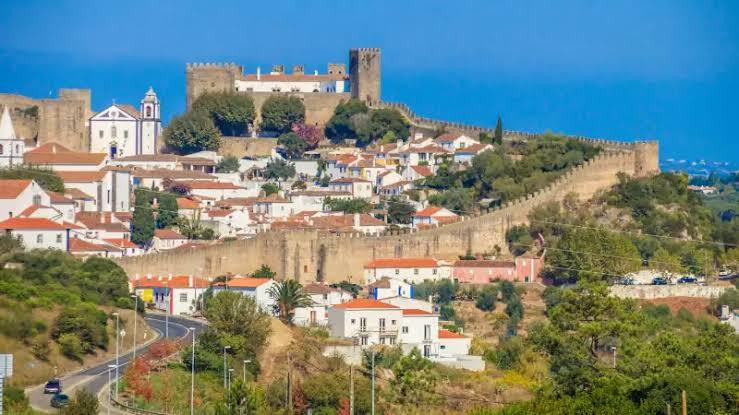
- The European Eco-Villages: Abandoned villages in rural Spain, Portugal, and Italy are being bought and converted into high-tech co-homesteading collectives, blending organic agriculture with shared remote workspaces.
- The Pacific Northwest Micro-Grid Boom: In North America, the focus has shifted toward building completely self-contained modular cabins that utilize rainwater harvesting and hybrid solar systems to bypass unstable public utilities.
- Japan’s Akiya Revival: International buyers are taking advantage of Japan’s ultra-cheap, vacant rural homes (akiya), retrofitting them with green energy infrastructure to live a peaceful, low-cost, high-design life.
These global pockets are proving that you no longer need to compromise your career to protect your peace of mind. By decoupling your physical location from your source of income, the world becomes a patchwork of potential sanctuaries.
The Core Pillars of Next-Gen Self-Reliance
If you are looking to integrate elements of the modern homesteading lifestyle into your own routine without necessarily buying a farm tomorrow, focus on these three core foundations:
1. Decentralize Your Utilities: Start thinking about small-scale redundancies. Even in a suburban home, setting up a localized solar balcony array, incorporating a smart water-filtration system, or keeping an independent power bank introduces a level of security that calms the nervous system.
2. Cultivate Micro-Production: You don’t need acres of land to engage with your food supply. A countertop indoor hydroponic garden or a small patio greenhouse can provide fresh greens and herbs year-round, rebuilding a psychological connection to what you consume.
3. Build Geopolitical Fluidity: True security in 2026 is flexibility. This means structuring your professional life around digital skills, diversifying your financial assets across jurisdictions, and cultivating a community network that exists outside of a single city grid.
The Verdict: Reclaiming the Foundation of Power
Relying completely on complex, centralized global supply chains for your water, energy, food, and income used to be viewed as the height of convenience. Today, it is increasingly recognized as a vulnerability.
The rise of the next-gen global homestead isn’t a retreat from the world; it’s an intelligent re-engagement with it. It’s an acknowledgment that the ultimate flex in a volatile world is knowing that no matter what happens to the market, the grid, or the political landscape, you have the skills, the tech, and the land to sustain your own life. It’s time to stop renting your survival and start building your autonomy.
Related Posts
Stay Informed With the Latest & Most Important News
Previous Post
Next Post


Advertisement





Advertisement